Tales From the Island of Illness
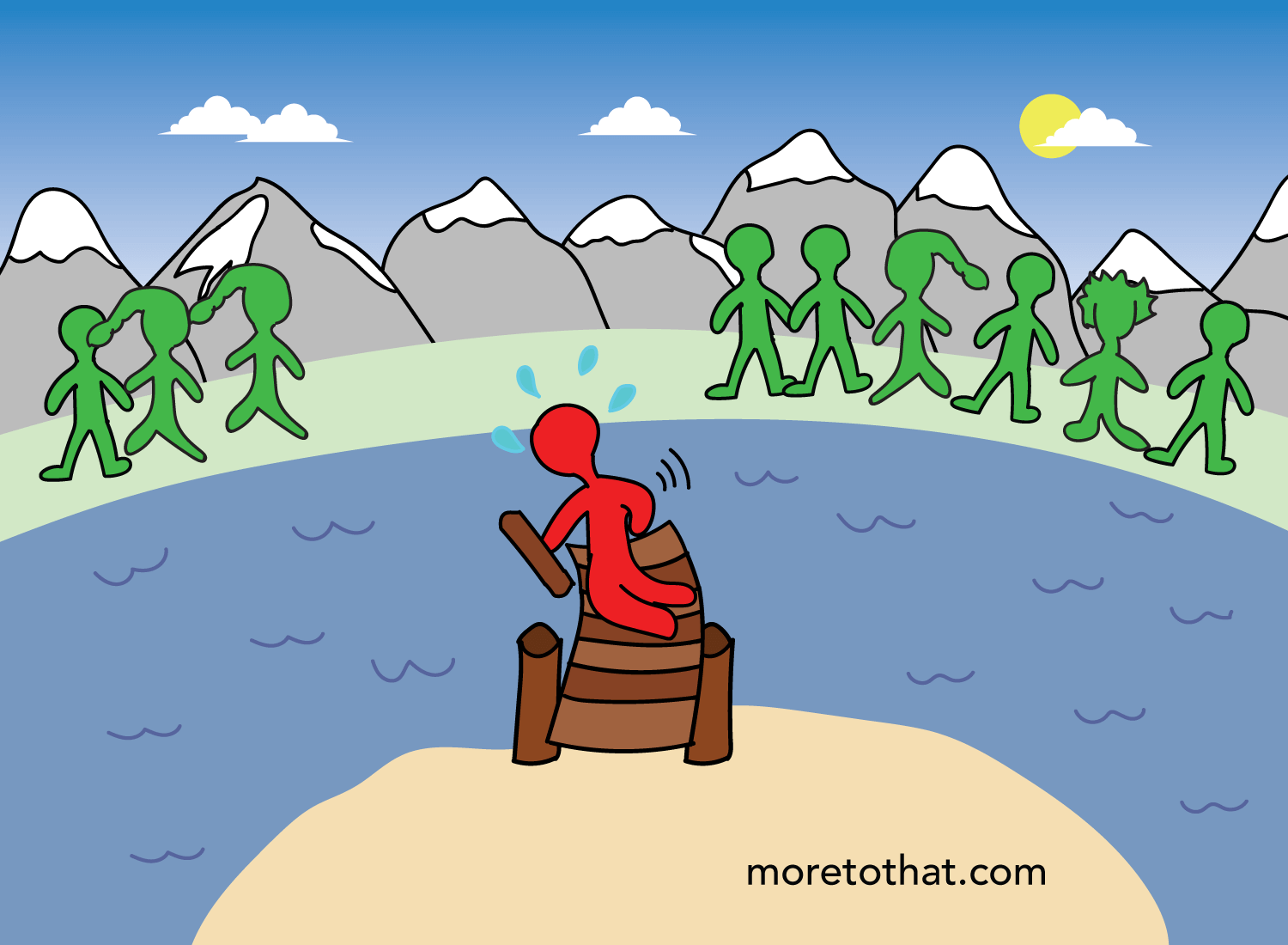
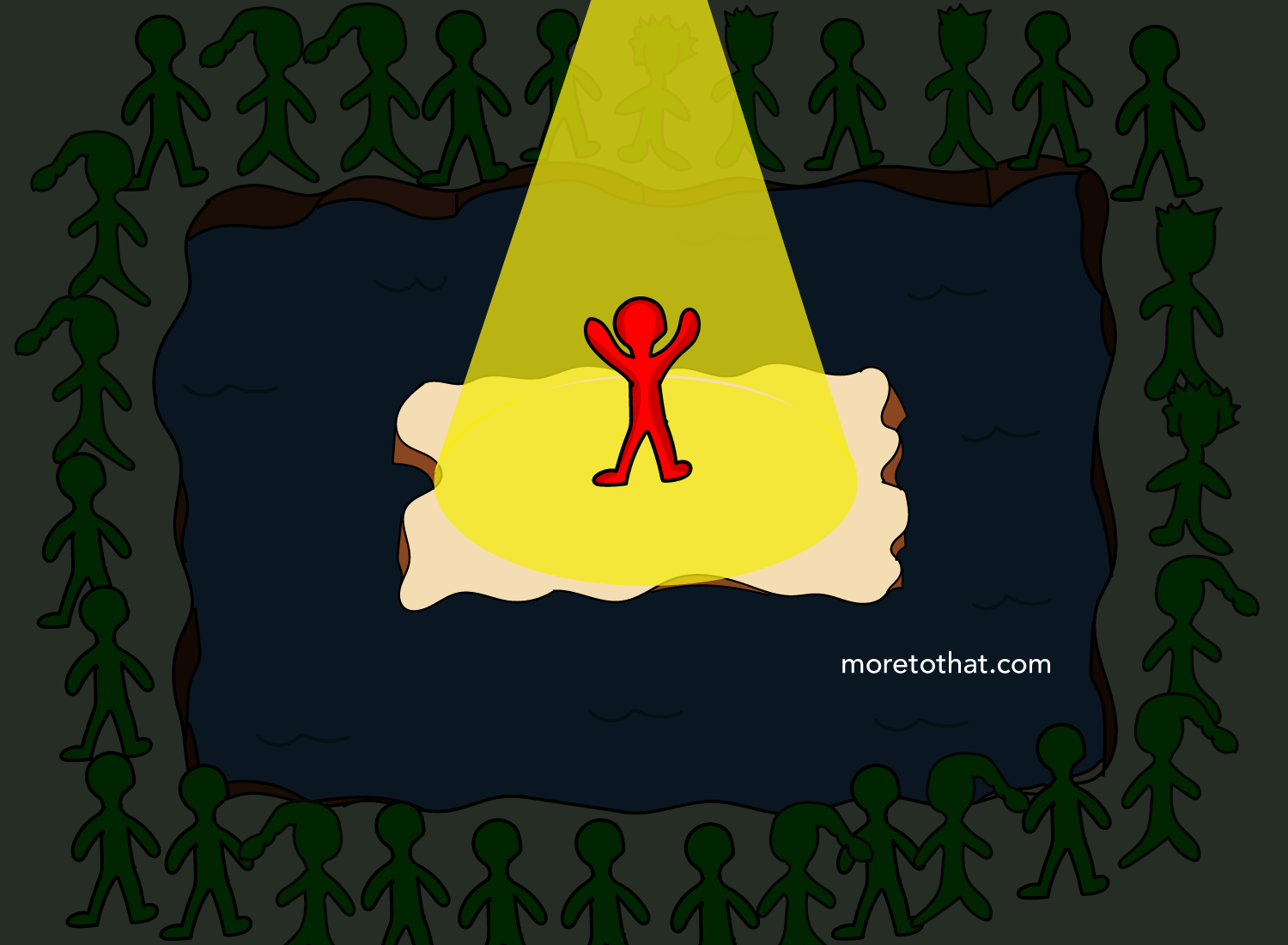
When you’re sick, it feels like this is the case:
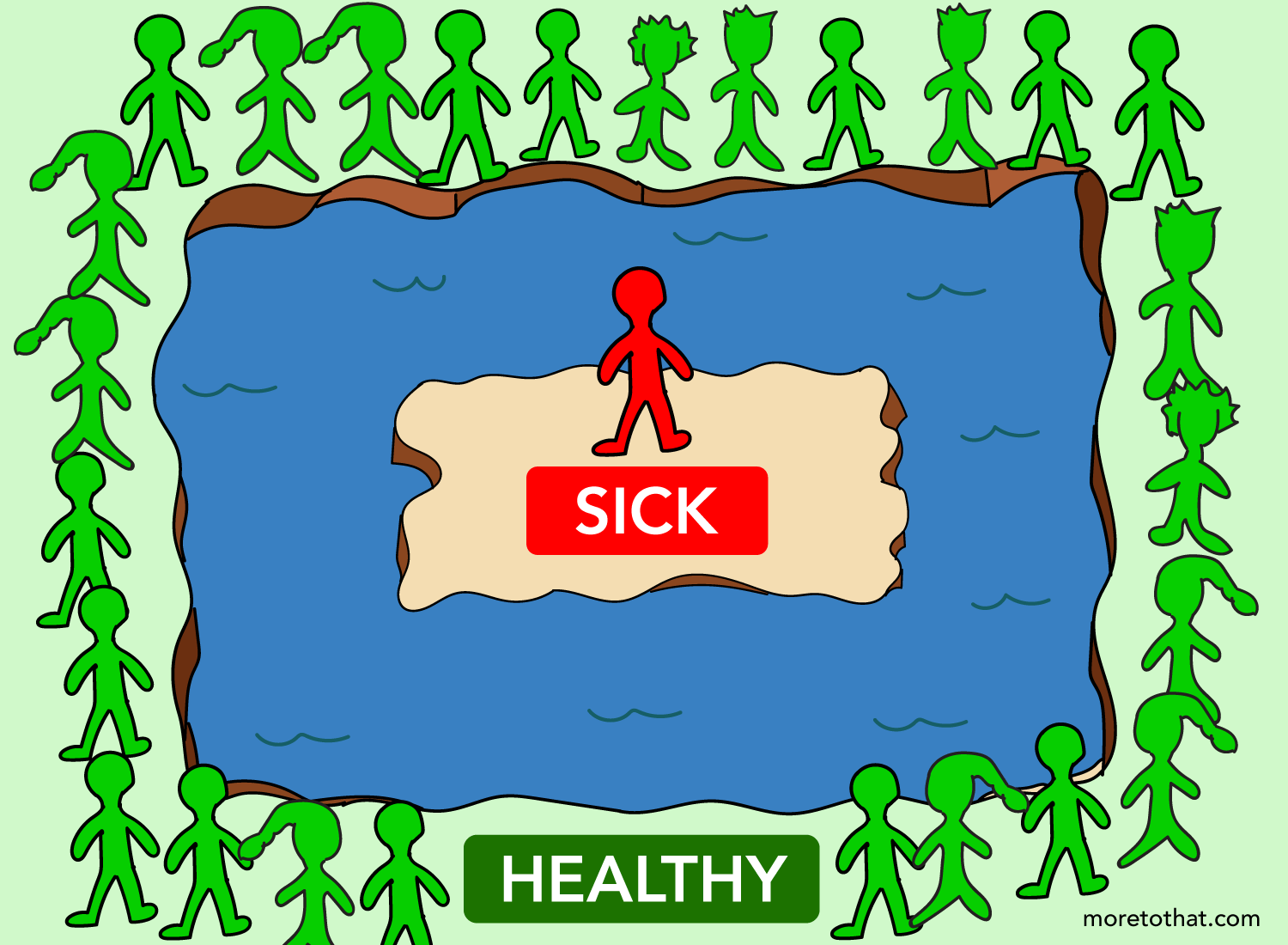
There’s a feeling of isolation that accompanies an illness of any kind, which only broadens the scope of your suffering. Since all physiological changes are localized to your body or mind, it often feels like no one is experiencing these mishaps but you. You start thinking that everyone else must be getting along just fine, and that you’re the lone exception in a world full of healthy and vibrant people.
But in reality, the landscape looks more like this:
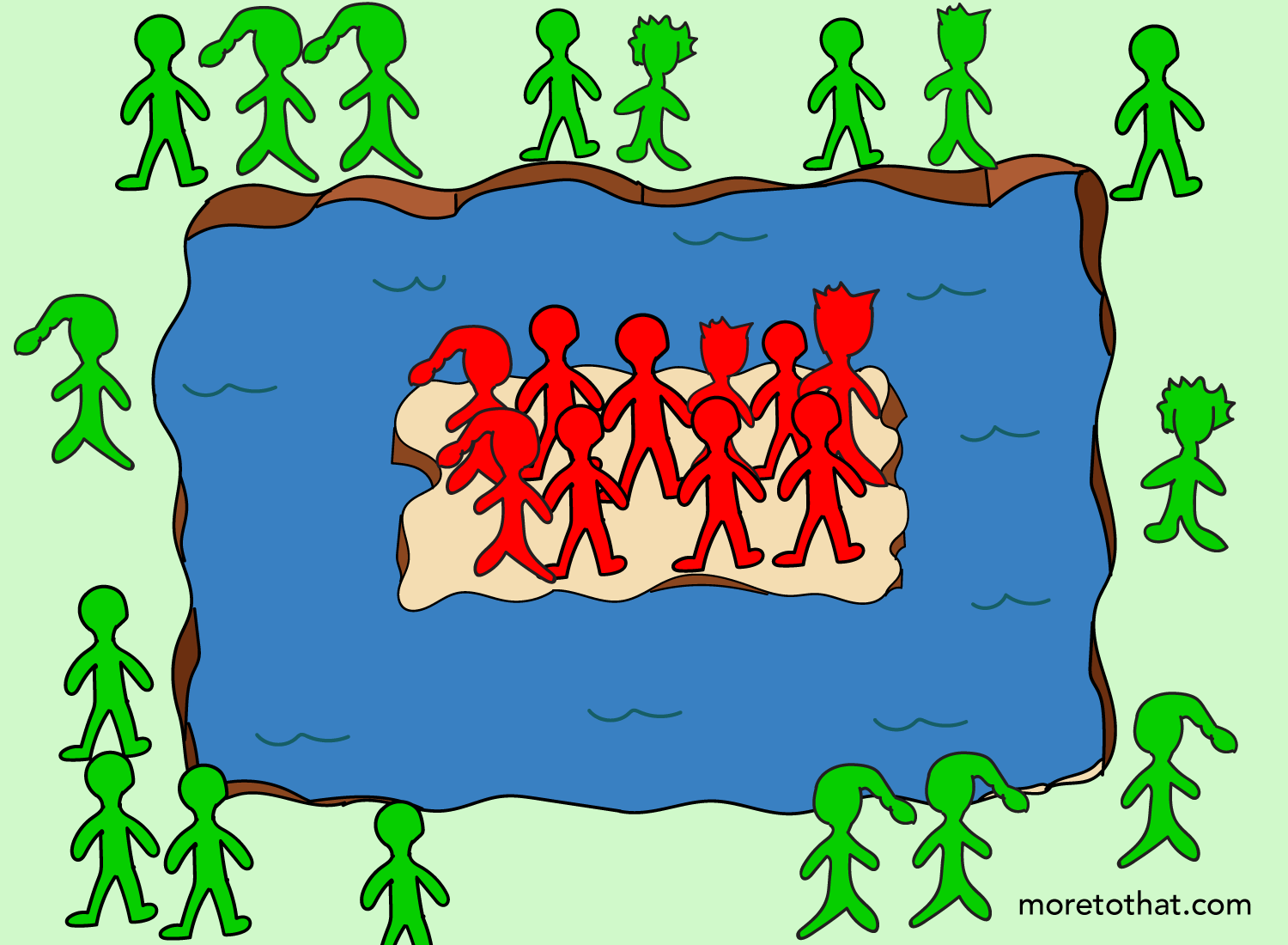
The truth is that there are many, many people on that island of illness with you. You just don’t realize it because sick people tend to navigate their conditions quietly, speaking of it only with their caretakers and loved ones. People that you meet at the store or gym might be struggling with a chronic health issue, but the odds of you hearing about it are low. This doesn’t change the fact that they are on that island with you, but the absence of that knowledge leads to the assumption that they are in pristine health while you are not.
And it is this very assumption that makes you feel alone.
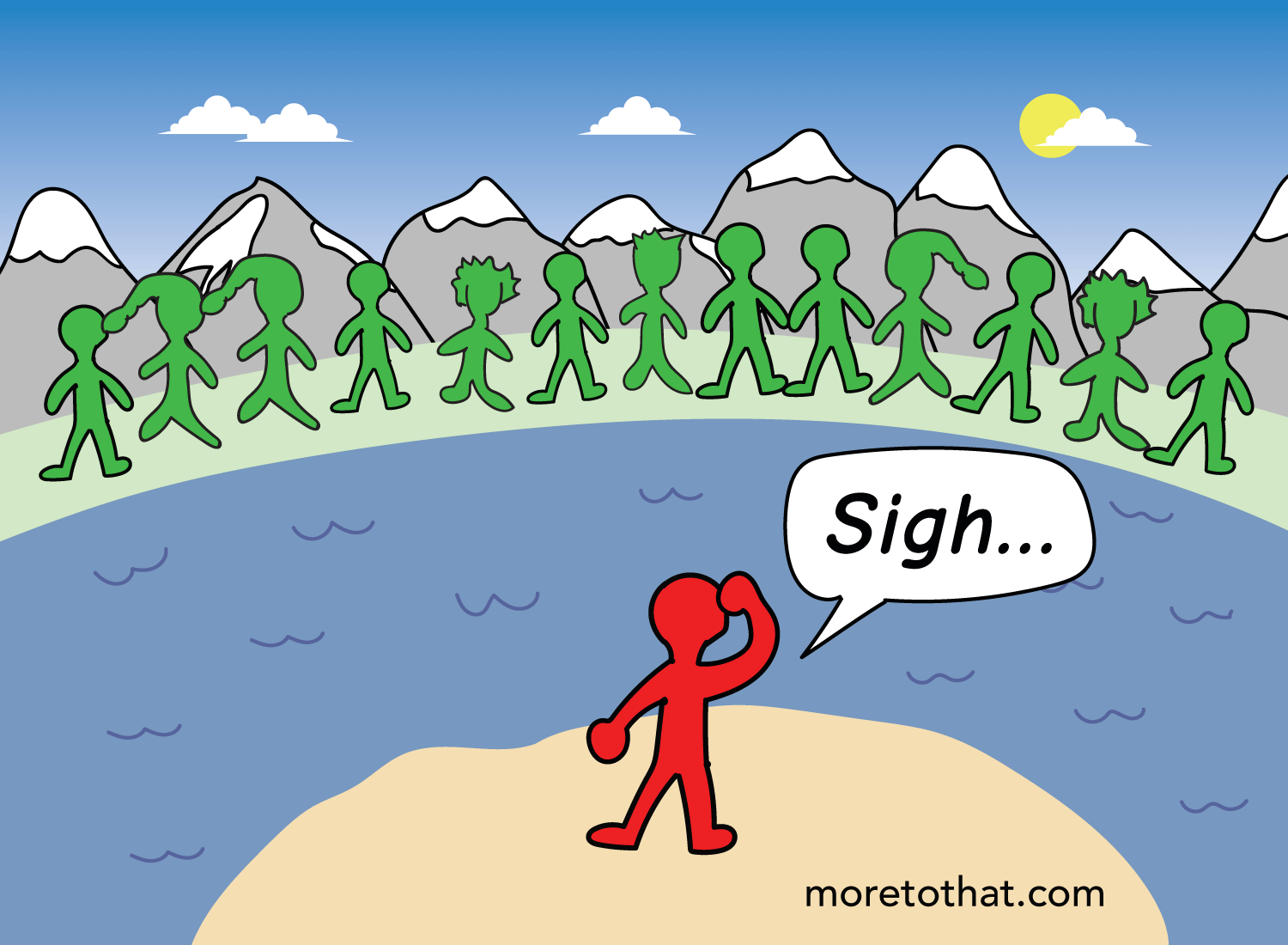
It is for this reason that I am creating this piece. I was initially hesitant to write about my personal health issues because they have always remained a private matter, but since having the above realization, I felt compelled to discuss them more openly. Readers of my work likely haven’t given any thought to my health, and that’s not due to some cold species of indifference. It’s because I’ve never publicly discussed it before, and when one’s health isn’t mentioned, the assumption is that everything is fine.
The truth, however, is that I dwell on the very island that you may also inhabit. And if knowing this helps you feel a little less alone, then it will have been worth it for me to disclose my struggles. While I have nothing to offer in the form of medical advice, I have learned a thing or two about what it takes to navigate this island with a sound mind. After all, managing the biological symptoms of illness is a big part of the picture, but the other part is about strengthening the psychological frame that is used to endure it. The latter is where I hope this essay finds its use.

My initial foray into chronic illness began on December 2019 when I was meditating in my room. It was nighttime, everything was dark, and it was just me, a cushion, and my mind. If anything, the reason I remember its onset so clearly was because how sparse my environment was at the time.
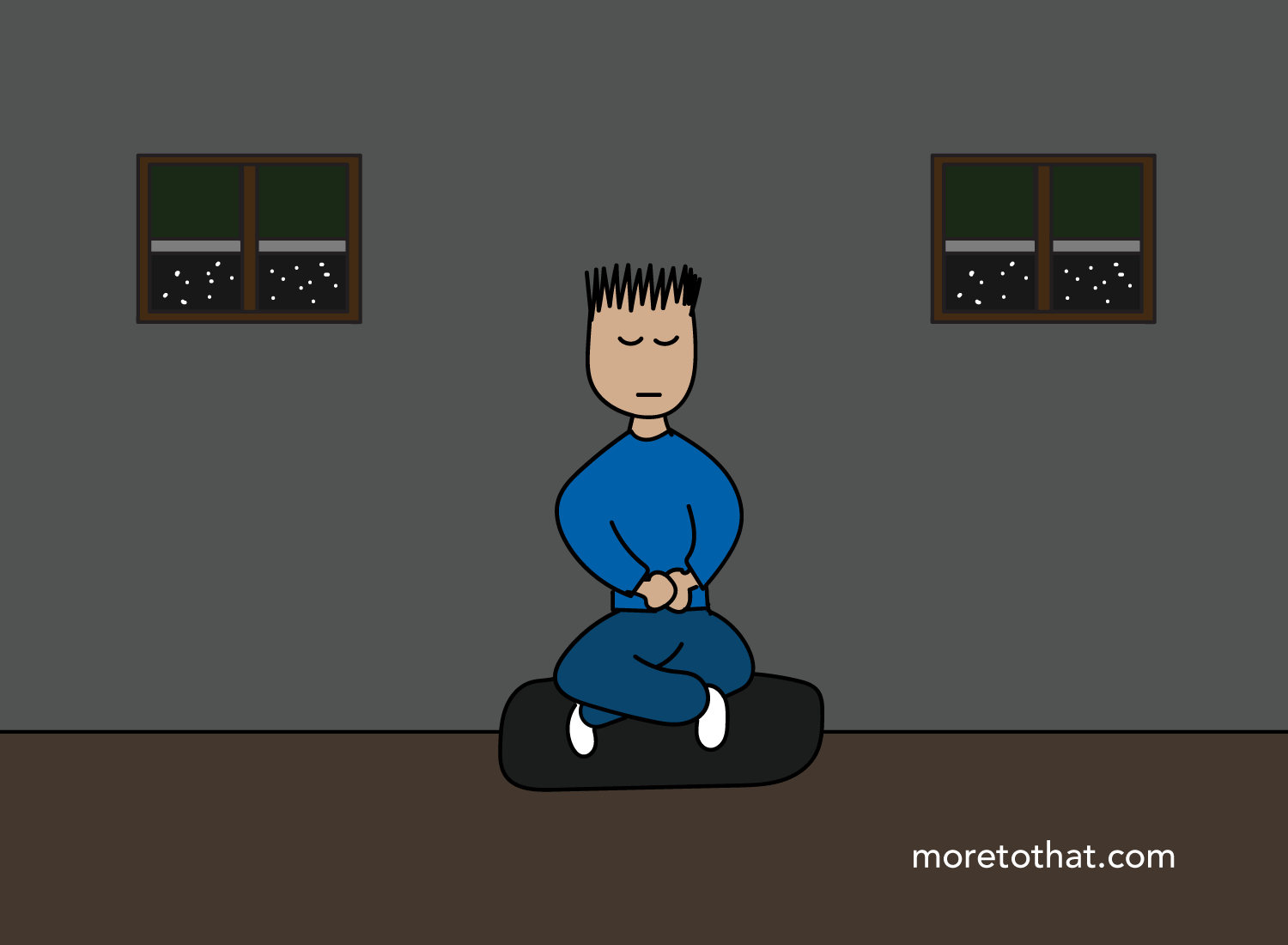
A few minutes into the session, I began to hear a high-pitched buzzing in my right ear. Imagine it sounding like the electrical interference that emanates from power lines, only pitched a few octaves higher. I first thought there was a loose wire in my room that was producing the noise, but I couldn’t find anything of the sort. This sound was all-consuming, and I was deeply distressed.
I somehow managed to fall asleep that night, but when I woke up, I was horrified to notice that it was still there. It didn’t matter what ear exercises I did or what remedies I tried, the noise wouldn’t dissipate. The next few weeks consisted of doctor’s visits, medication, herbs, acupuncture, and anything I felt would help alleviate this condition (known as tinnitus). Nothing worked, and as the weeks transitioned to months, it dawned on me that this wasn’t going away. Fast forward to today, and that high-pitched noise is just as present now as it was five years ago.
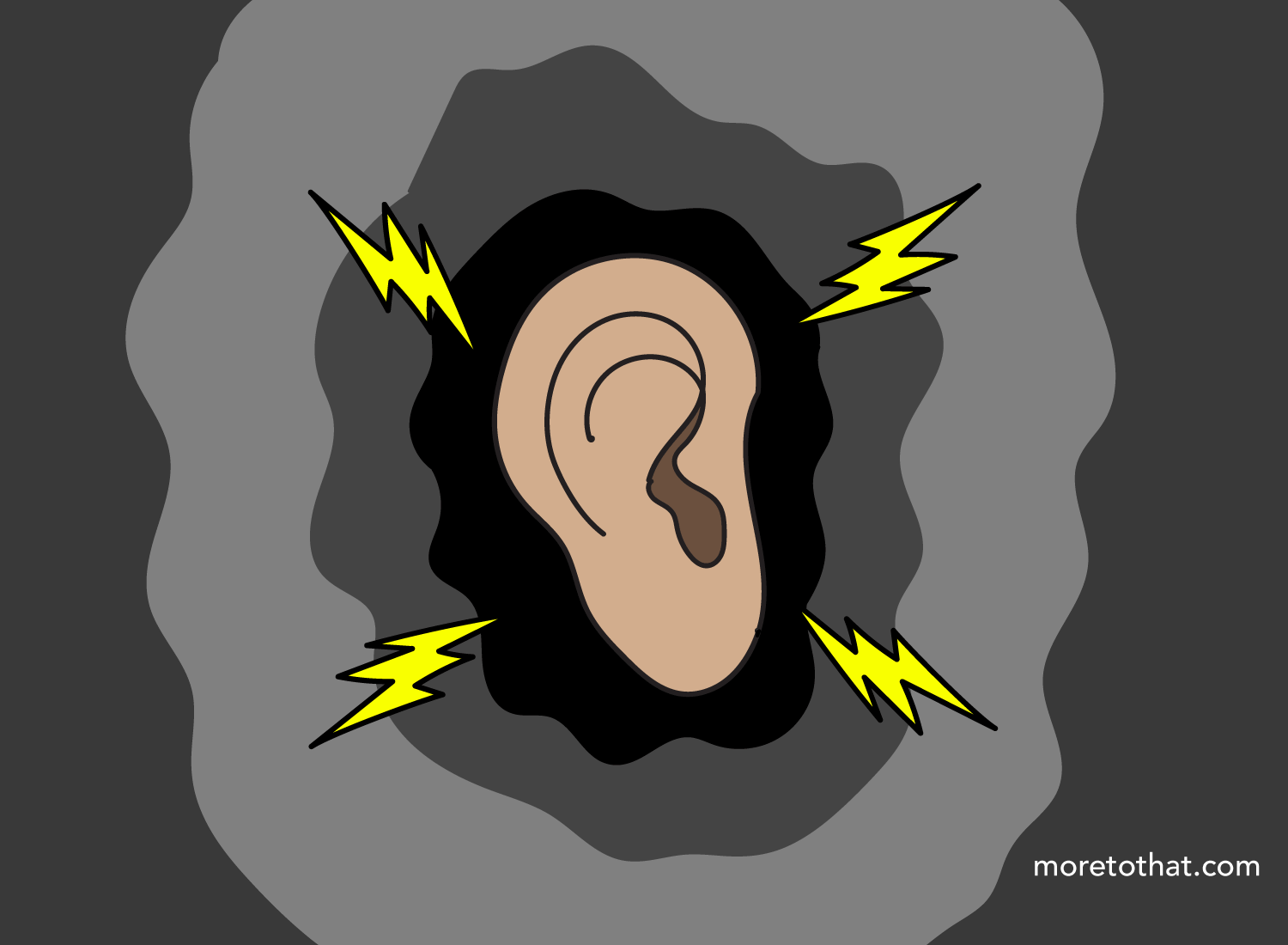
Tinnitus took away one of the things I appreciated most about life: silence. Every meditation session is now accompanied by oscillations in high-end frequencies, and every night before I sleep, I turn on a sound machine to mask it. When I write, I play music to help anchor my attention. When I read, I often do the same. To say that tinnitus has required adjustments is an understatement, but thanks to mental training and the passage of time, I’ve been able to cultivate equanimity alongside it.
My ears, however, would have other plans for me in store.
I go to Korea every year to visit my parents, and each visit is generally characterized by happy memories and abundant photos. So when my wife, daughter, brother, and I boarded the plane this past summer to Seoul, we didn’t anticipate that anything would be different.
But it sure would be.

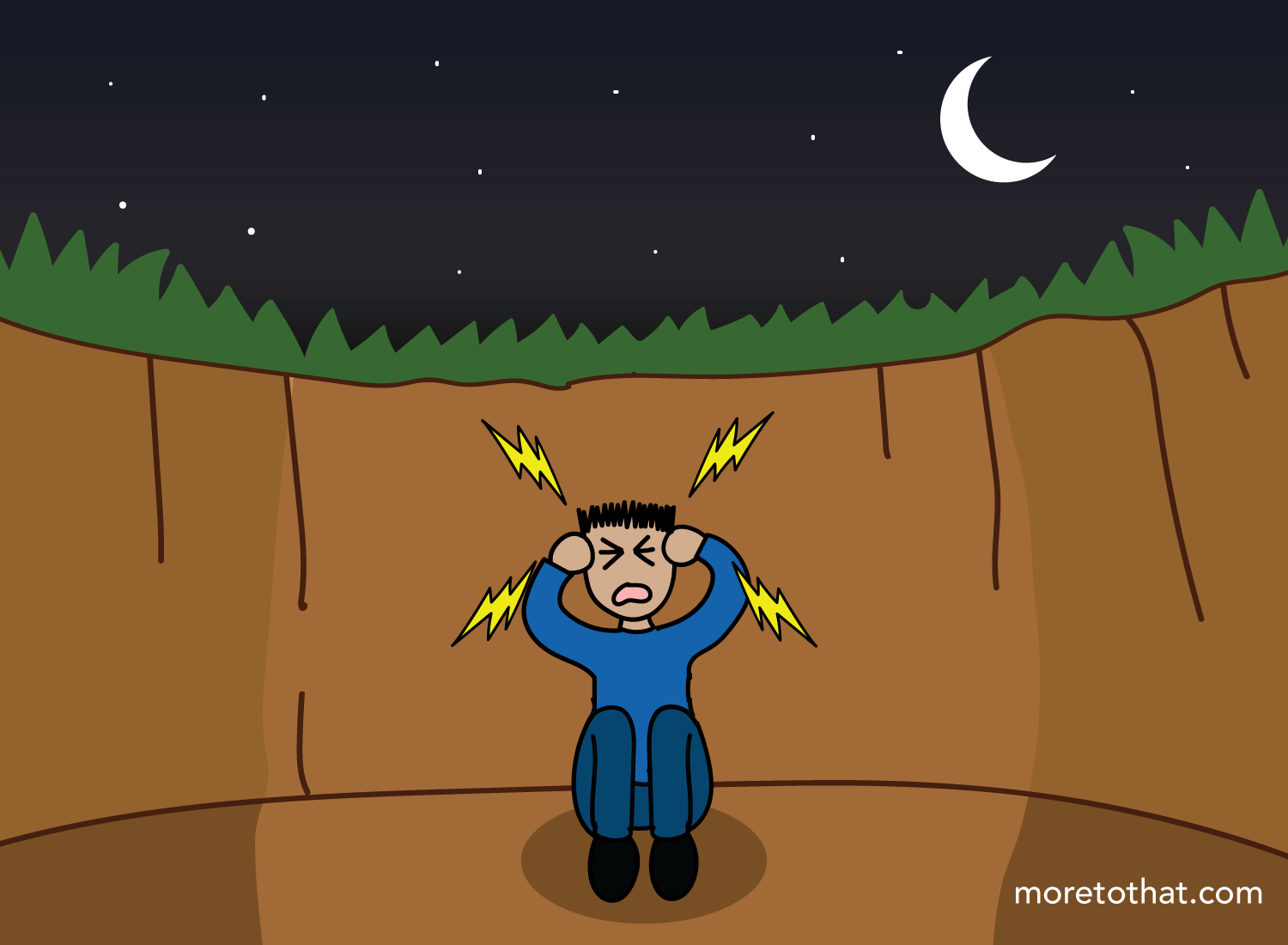
About a week after we arrived, I started experiencing something that was more distressing than my tinnitus. For reasons that are still mysterious, I began to feel fullness in both of my ears, accompanied by piercing headaches that made me want to lay down whenever possible. The fullness also made my hearing muffled, which only added to the disorienting nature of my newfound predicament. These were sensations I’d never felt before, and my ears were the eye of the hurricane that was producing them.
As if this weren’t enough, a few days later I began to hear unpleasant crackling sounds whenever I would swallow or make certain movements with my jaw. In addition, my tinnitus seemed to be spiking in volume, which only amplified the stress that I was already under. This combination of ear fullness, headaches, crackling noises, and heightened tinnitus was all happening at once, and it made that initial week feel like an utter pit of despair.
Shortly after the onset of these symptoms, I began a treatment regimen in Korea from a doctor that specialized in hearing conditions. I had 6 weeks left in the country, and decided to dedicate 3 days each week to receiving treatment in the hopes that my symptoms would either reduce or retreat during that time. While the doctor tried his best, the results were mixed. The headaches abated and the crackling in my left ear decreased, but the sensations of fullness along with the crackling and tinnitus in my right ear remained. There was a slight ray of improvement, but the cloud of disappointment hovered over us as I embraced and waved goodbye to my parents at the end of my stay.
When I got back to Los Angeles, I knew that the prospect of a solution was even dimmer. Western medicine offers little in the way of ear-related symptoms, as the approach is localized entirely to what they can see in the ear canal itself.
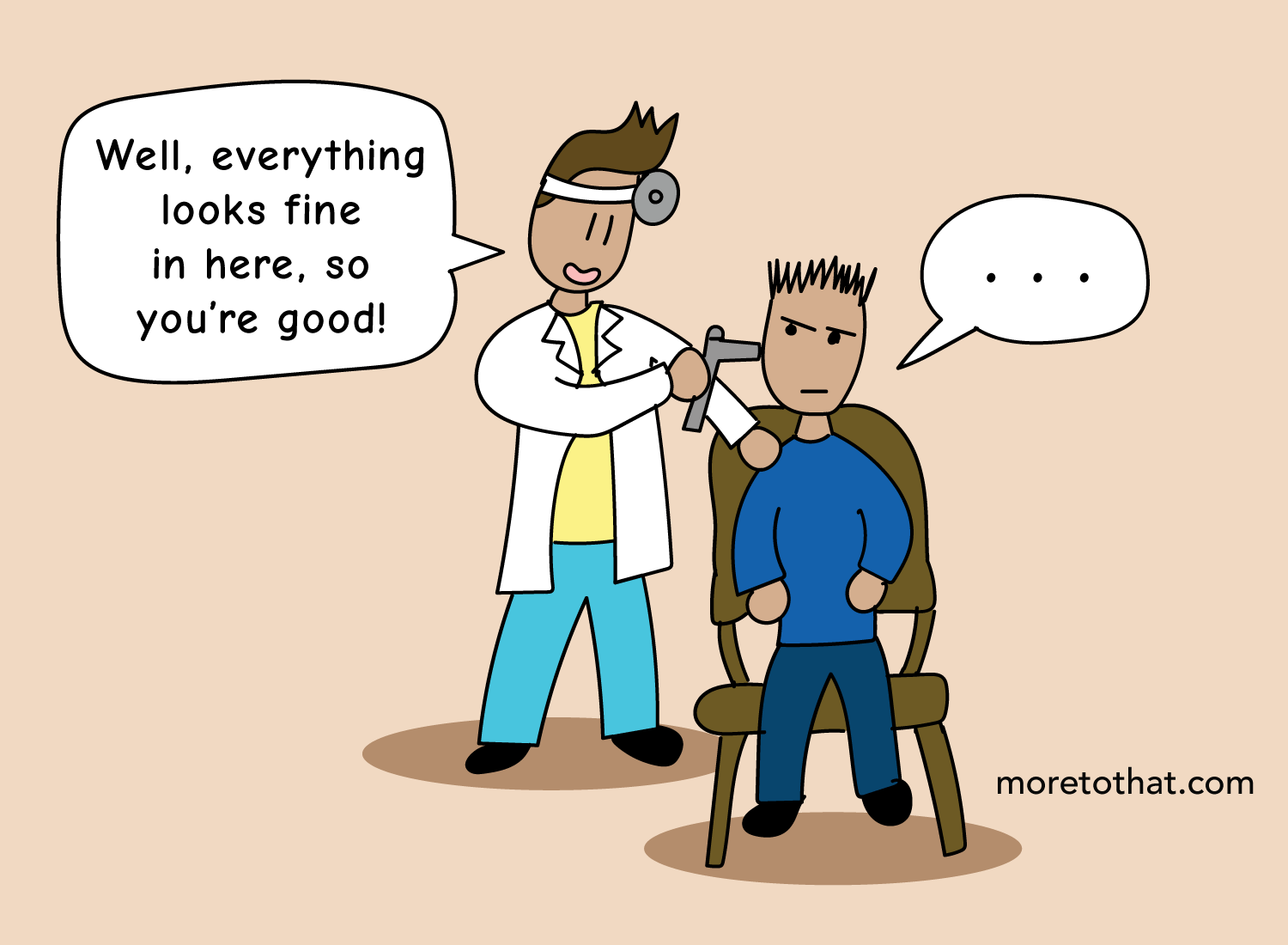
As expected, I received a half-hearted diagnosis of Eustachian tube dysfunction (which is the first thing that pops up if you were to search my symptoms online), along with a recommendation for over-the-counter sinus medications to help clear it. While my sense of smell may have improved slightly, my ears have found little relief.
In these moments, it’s easy to feel frustrated and to grow increasingly frantic in the search for a cure. After all, this behavior is perfectly justifiable for anyone on the island of illness, as every inhabitant is unified by the desire to get off it. Every sick person attempts to build a bridge that will take them to the land of good health, and the question they ask themselves is a matter of when it’ll be built.
But having been on the island myself, I wonder if this is the right question to ask. Not because I don’t want to get better (that would certainly be nice), but because it ignores the reality of my day-to-day experience. If I’m so focused on the question of when I’ll be restored to pristine health, then my attention will be diverted away from what I’m currently experiencing. I will always be focused on some imagined future state, which will seem more favorable than whatever the present moment contains. The issue, however, is that today is the only day that matters because it’s the only day I’ll ever truly experience. Tomorrow is nothing but a projection of my hopes and fears, and fixating on it means that I’ll always be living within the confines of my own thoughts.
I understood this when I dealt with my tinnitus back in 2019, and I was forced to re-learn this lesson in the summer of 2024 as well. I couldn’t wait for contentment to arrive on some future date; I had to cultivate it now, even when my body was being gripped by precarious forces. The island may not be the most comfortable of all places, but there were still plenty of things worth celebrating here.
One thing I did since the onset of my symptoms was to continue my routine of meditating, journaling, and exercising each day. There were many days where this was incredibly difficult to do, but it was critical that I did it anyway. This is because these things have historically stabilized my mind, and I wanted to use that history to my advantage by applying it in the present moment. As a result, there were some mornings that felt peaceful despite the sensations in my ears, and this helped me realize that I was capable of accessing contentment, even if that contact was brief. As long as the capability was there, I knew that its duration could be extended over time.
Another thing was to continue engaging with my family and community. When you’re sick, the initial impulse is to shut yourself off from the world and retreat into your own mind. Being sick is both physically and emotionally draining, and the last thing you want is to present this depleted version of yourself to anybody. This is understandable, but you must remember that you are withdrawing access to contentment by doing this. No pill can make up for the warmth you’ll feel when you open yourself up to your loved ones, and this warmth is what you need most when you’re feeling unwell. Being in Korea during this time was a blessing because I was able to see my family everyday, whether I was feeling up to it or not.

And on the topic of community, I made it a point to continue working on my creative endeavors. For example, I had a number of consulting calls scheduled over the summer, and my initial thought was to cancel them all as I dwelled on the island. But then I asked myself why I would do this, and all roads pointed back to fear. I was worried that my condition made me a shell of myself, and that I might no longer be able to adequately help my clients.
When I realized this, I immediately did the opposite. I confirmed all the calls I had, reviewed my notes, and showed up for every single one like I always did. What’s interesting is that during one of the sessions, a long-standing client said it was one of the best sessions we’d ever had. This only confirmed what I already knew: that all the fears I had were driven by false assumptions, and that I would test it through experience to reveal their deceptive nature.
With that said, I’m fortunate that my condition isn’t life-threatening, and that I’m able to use my limbs and operate my mind. Not everyone on the island can say that, and I recognize the inequitable distribution of illnesses that pervade it. But if you happen to have access to your physical and mental faculties, then the way you frame your predicament is of utmost importance. You can either succumb to the winds of worry and fear, or you can build the confidence required to navigate whatever arises.
Ultimately, confidence is an exercise in weathering uncertainty, which happens to be the defining characteristic of this island. Everyday, you have to face the reality of a cold and unresponsive terrain. “Will my ear symptoms ever subside? Are they going to persist like my tinnitus? Is this just the beginning of a further decline in my ears?”
And to each of these inquiries, the answer is the same:
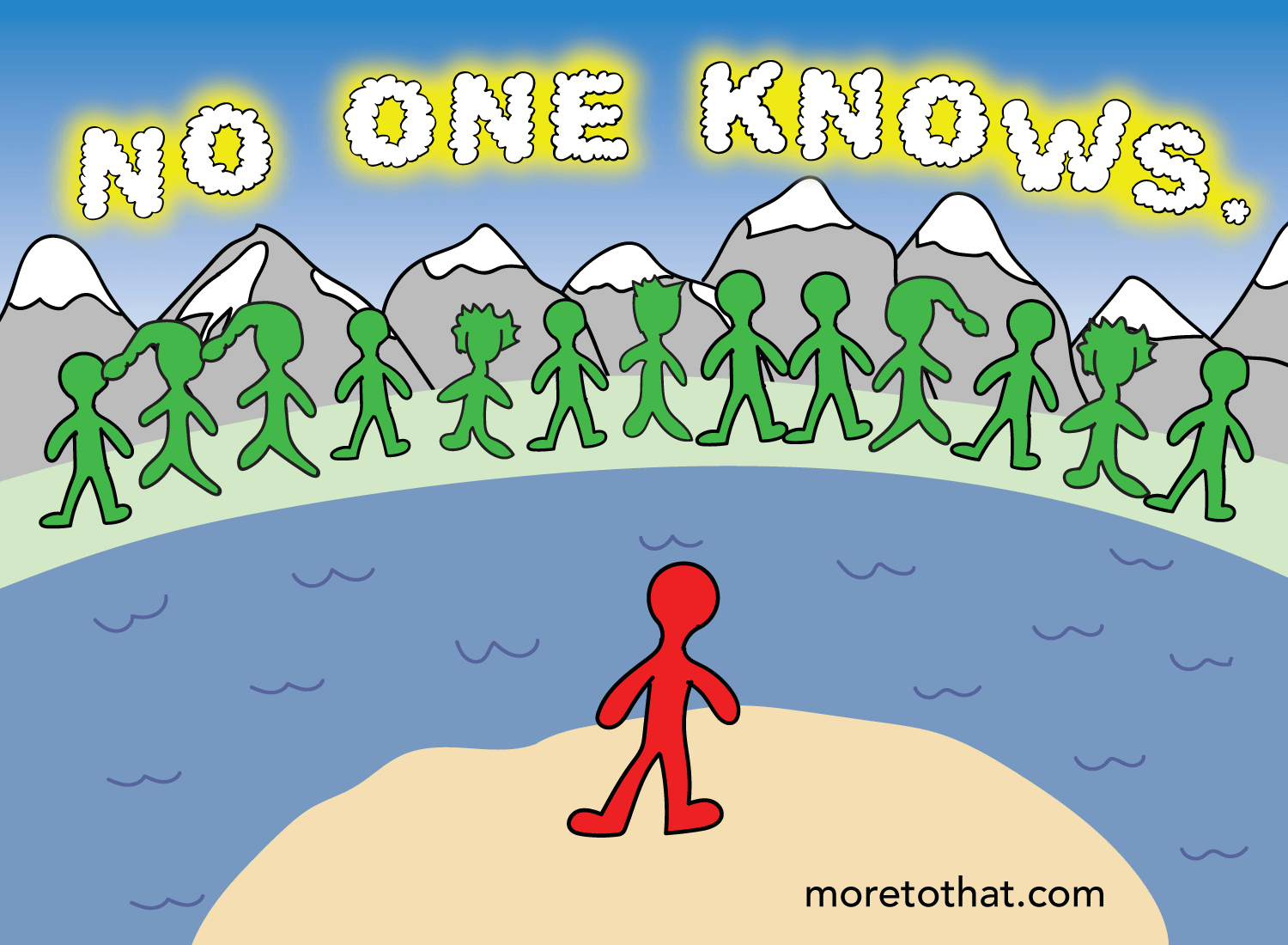
To be confident is to accept that sole answer, and to continue engaging in the meaningful activities of life. In my case, exercising each day adds to that edifice of confidence. Playing with my daughter despite my discomforts is yet another example. Writing this very essay also has a similar effect. The truth is, I don’t know what the next year holds for my condition (let alone the next hour), so it seems unhelpful for me to dwell on what the future has in store. All that matters is how I can make the most of the moment I currently inhabit, which has the effect of dissolving my concerns about what may happen later. And as the sharpness of worry dissipates, the breadth of equanimity has the space to take its place.
As someone who recently published a book on trusting yourself, I can confirm that this mindset has been incredibly helpful during this time. In fact, I found myself reading The Inner Compass at particularly challenging moments to remind myself of what it means to build confidence in the face of uncertainty. Authors often say they write the book they need to read, and this was no exception.
In one of the chapters, I describe my adventures with tinnitus, but wrote it months before the onset of last summer’s symptoms. Regardless, the central message of the chapter still stands, which is on the inevitability of pain and the way we respond to it.
Here’s a relevant excerpt:
Despite knowing that death is inevitable, we are somehow convinced that our bodies will remain healthy until that day. This is a product of subtle conditioning, whether it’s in the form of lofty promises or distorted beliefs that are dispensed by others. The truth, of course, is that all of nature follows a decay function, and none of us are immune. So the thing to consider is if you can accept the pain that accompanies the human body, while also reducing the suffering using the power of the human mind.
For some of you, the island may seem like a distant place. For others, it may seem closer. But in the end, it will one day be home for all of us.
The question is whether you can make it feel like home when that day arrives. Fortunately, you can prepare an answer long before that question is asked.
_______________

If you enjoyed this post, consider joining the More To That newsletter. You’ll be notified when a new post is up, and will get access to personal reflections that you won’t find anywhere else.
_______________
Related Posts
When you’re unwell, the ability to beat worry is a superpower:
The ability to reframe fear is another asset as well:
Learning how to manage anxiety is a must. Here’s a huge post on that: